
Water
Superfund
Geology
Waterfowl Protection
Research & Science
History
Current Water Level
Above Sea Level
Protective Water Level
Above Sea Level
Discover PitWatch
About Us
PitWatch.org is the online home of the Berkeley Pit Public Education Committee. This volunteer committee educates residents, students, and the general public about the environmental management of the Berkeley Pit. Information includes the geology, hydrology, current events, and ongoing academic research associated with the Berkeley Pit. Our committee frequently shares their perspective on current projects, ongoing management, and findings and conclusions on this website and its social media.
FAQs
Your Questions Answered
Have questions about the Berkeley Pit? Search through our FAQ section. Can’t find the answer? Contact us.
What's in the Berkeley Pit water?
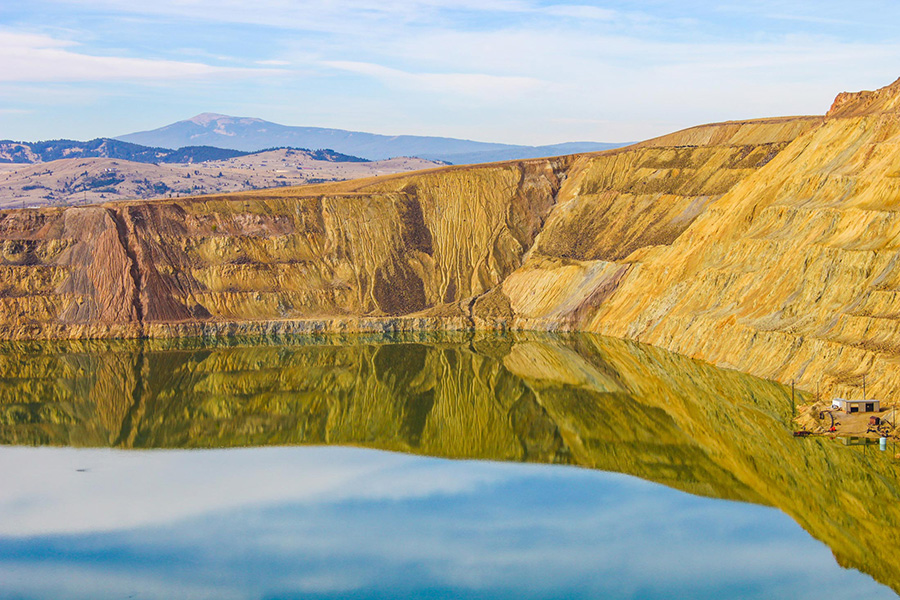
The water in the Berkeley Pit contains groundwater contaminated by sulfuric acid. The sulfuric acid breaks down other metals and minerals in the Butte Hill. As a result, more than 21 metals and minerals can be found in the Berkeley Pit’s water.
Could the Berkeley Pit ever overflow?
No, the Berkeley Pit will not overflow. Water levels in the Pit are monitored on a monthly basis to define the water level. To ensure water levels stay below 5,410 feet water is pumped from the Berkeley Pit and treated at the Horseshoe Bend Water Treatment Plant. The water receives additional treatment to meet surface water quality standards and is discharged to Silver Bow Creek.
Do Butte Residents need flood insurance?
No, residents do not need flood insurance because of the Berkeley Pit. The Berkeley Pit is full of ground water and pumping and treating prevents the Berkeley Pit from filling to a level where flooding is a risk. That being said, a homeowner may need flood insurance if their home is located in the vicinity of a flood zone such as a creek or stream.
What is the Critical Water Level (CWL)?
The Critical Water Level (CWL) is 5,410 feet above sea level. We like to refer to this level as the “protective water level” because it is the lowest elevation in the Butte valley, the stream bottom of Silver Bow Creek. Keeping water below this elevation prevents contaminated water from infiltrating Silver Bow Creek and potentially impacting fish and other aquatic species.
How is the Pit monitored?
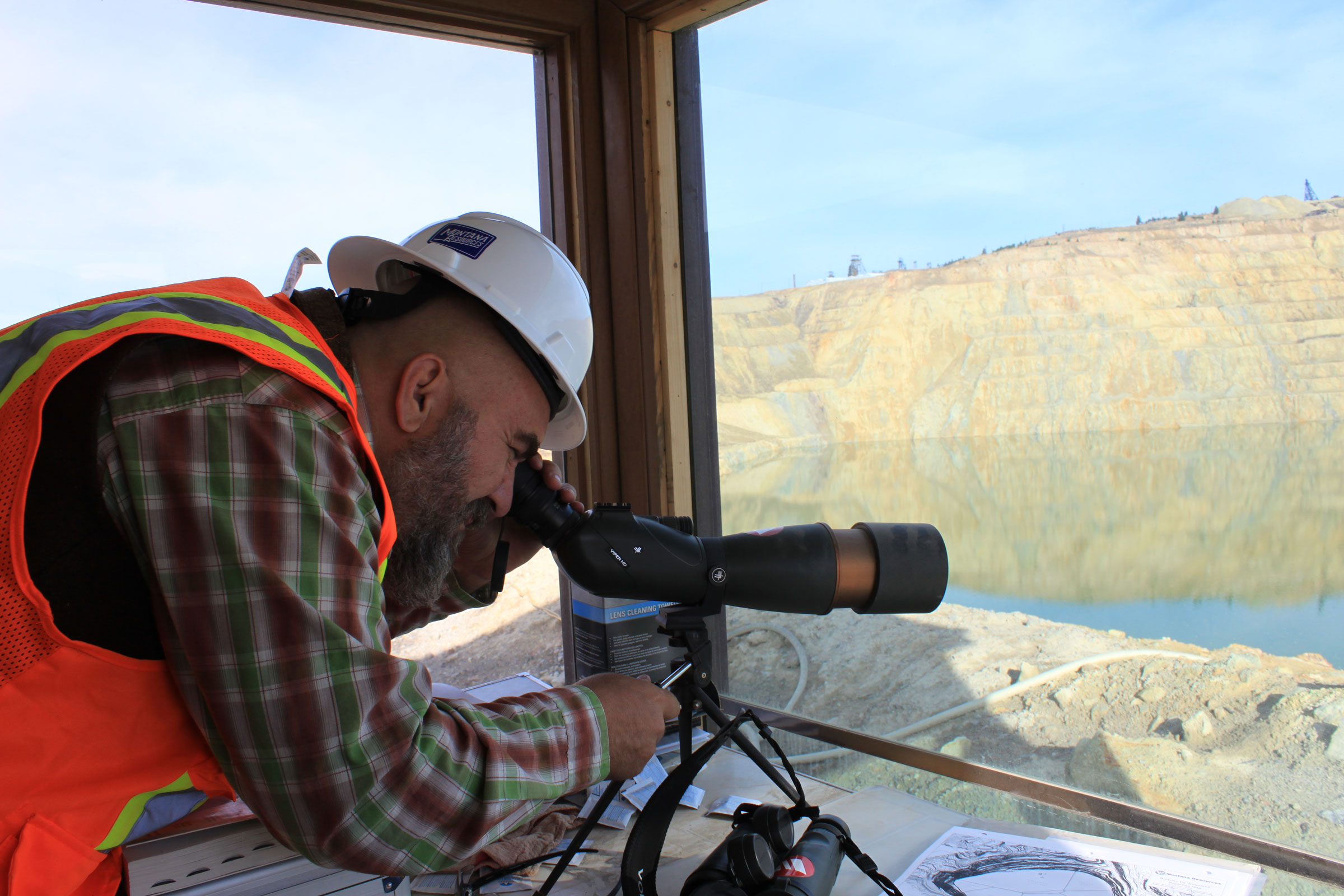
The Montana Bureau of Mines and Geology measure the water levels of the Berkeley Pit on a monthly basis. Measurements are collected at 23 monitoring wells, 14 mine shafts, and the pit itself. Twice a year water samples are analyzed to determine the water’s chemistry. This information helps scientists understand where the water is coming from and how it is moving underground.
What is being done to manage the Berkeley Pit now?
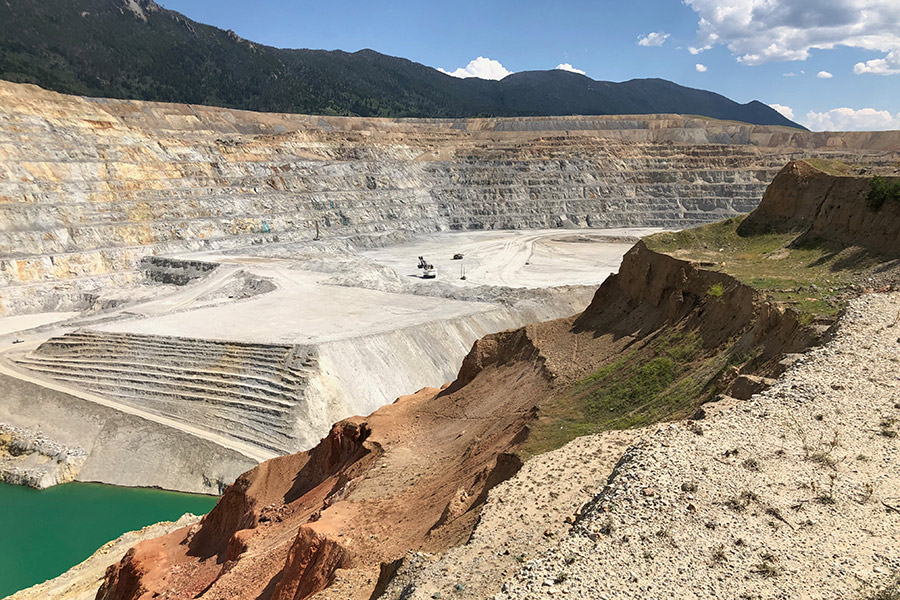
The Berkeley Pit is actively managed by the BMFOU Settling Defendants with the regulatory oversight of the US EPA and Montana DEQ. Management includes routinely monitoring the current water level and pumping and treating contaminated water prior to discharging to area surface waters. This activity keeps the Berkeley Pit water level steady and below the protective water level.
Still Have Questions?
Continue to Learn
Would a site visit or connecting with an academic expert help your understanding of the Berkeley Pit? Reach out at info@pitwatch.org
Educational Tours
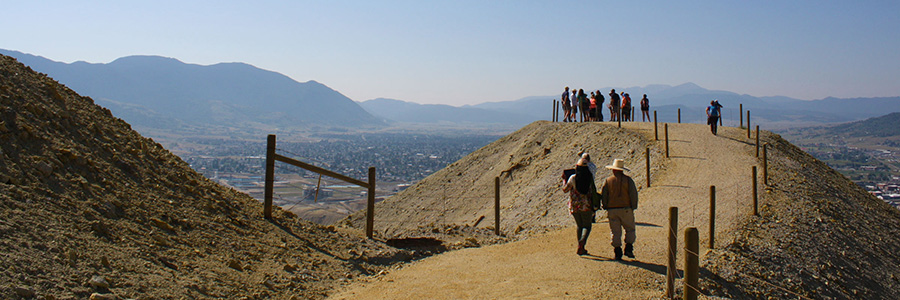
PitWatch offers seasonal guided tours to student groups of 10 or greater. Please e-mail info@pitwatch.org to inquire about availability.
Contact Us
Still have questions? Contact us at info@pitwatch.org

Taming the Berkeley Pit
The Taming of the Berkeley Pit by Dick Maney documents the construction of the Polishing Plant that was designed to filter mine water to a point that it could be safely discharged into Silver Bow Creek. The process, the construction, and the reasons for the Polishing...
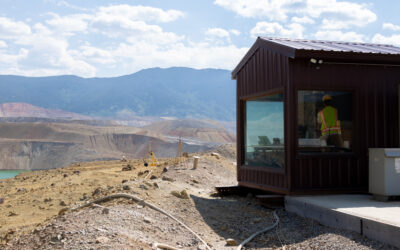
ABC FOX Montana – Berkeley Pit Waterfowl Protection Program
Every year thousands of birds fly over Butte on their migrations. Engineers work diligently as part of the Berkeley Pit Waterfowl Protection Program to ensure these birds don't come to rest on the Pit. ABC FOX Montana reported on how the program achieves a success...
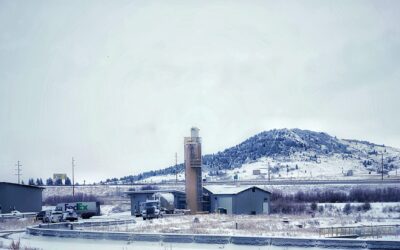
Superfund during the COVID-19 pandemic
By Matt Vincent Right now, everything is seemingly within the iron grip of the novel coronavirus/COVID-19 pandemic. Our daily lives have been redefined by the government’s response. As of Tuesday, April 15, Montana has 404 confirmed cases, 50 cumulative...